Challenging David Frum's Claims on Tariffs
Tariffs may be more damaging than David Frum suggests, with far-reaching consequences for the economy beyond just low-income households.

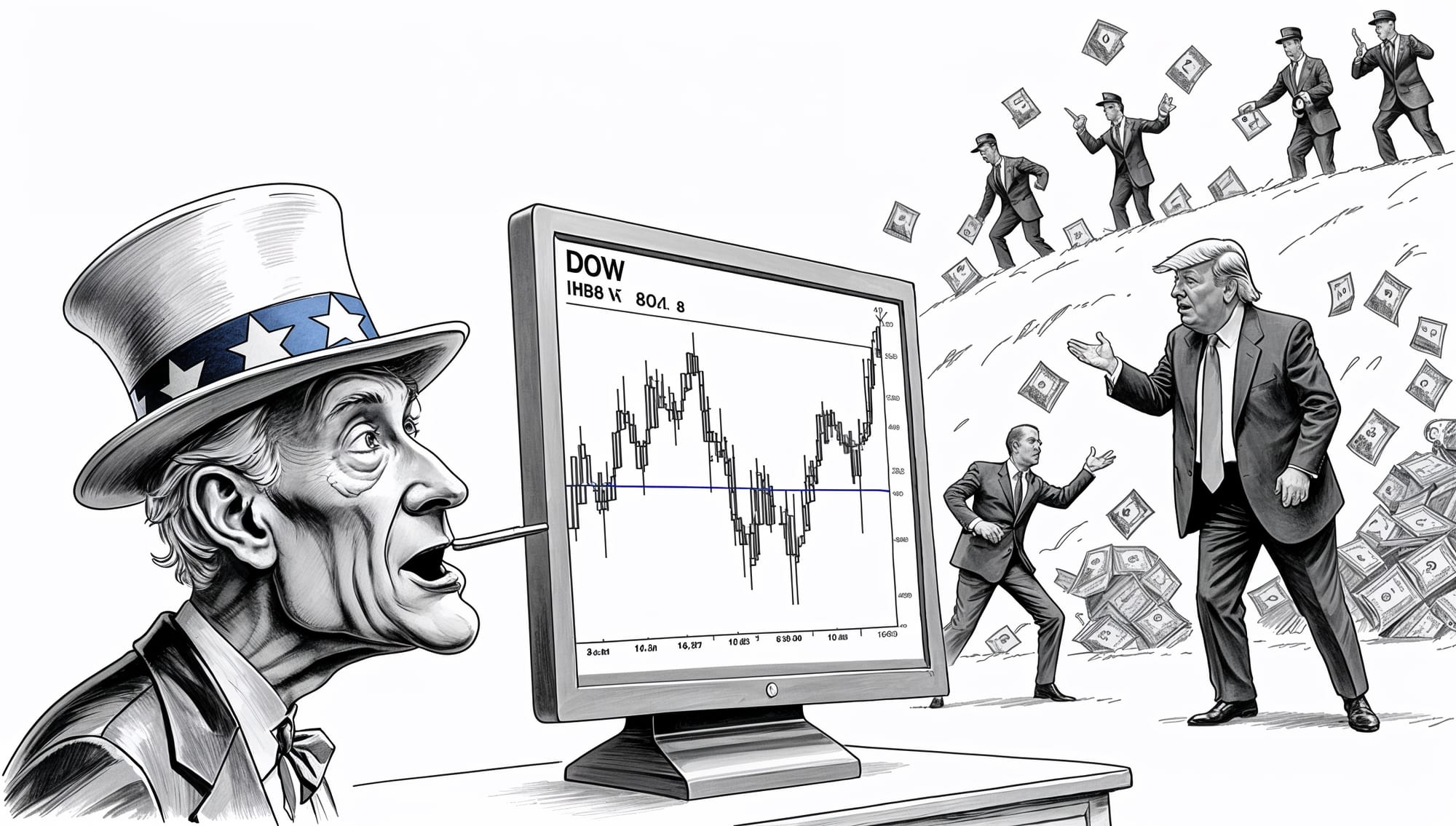
David Frum, a journalist from The Atlantic, recently made several claims about tariffs during a discussion with Nicolle Wallace on MSNBC[1]. He argued that tariffs are a tax that can be imposed by the president without congressional approval, disproportionately affect low-income individuals, and impact goods rather than services. Frum concluded that tariffs would not lead to shortages or a recession but would shift the financial burden from high-income to low-income individuals, especially when paired with corporate tax cuts. I would like to challenge Frum's assertions and provide a more nuanced understanding of the economic implications of tariffs.
Tariffs and Congressional Authority
Frum's assertion that tariffs can be imposed by the president without congressional approval overlooks the constitutional framework governing trade policy. The U.S. Constitution grants Congress the power to regulate commerce with foreign nations, including the imposition of tariffs[2][3]. While the president can influence trade policy through executive actions, such as invoking the International Emergency Economic Powers Act (IEEPA), these actions are typically subject to congressional oversight and legal challenges[4][5]. The Trump administration's use of tariffs without congressional approval is an anomaly and has faced significant legal scrutiny[6].
The Economic Burden of Tariffs
Frum's claim that tariffs primarily affect low-income individuals fails to consider the broader economic impact. While tariffs can increase the cost of goods, leading to higher prices for consumers, they also have ripple effects throughout the economy. Higher costs for goods can lead to wage increases as workers demand compensation for increased living expenses[7][8]. Additionally, tariffs can reduce overall economic efficiency, leading to lower profits for businesses and potentially decreasing stock prices, which affects the wealth of high-income individuals who hold significant investments in the stock market[9][10].
Impact on Goods and Services
Frum's assertion that tariffs impact goods but not services fails to understand the interconnected nature of modern economies. Tariffs on goods can lead to increased costs for services that rely on those goods as inputs. For example, tariffs on imported steel can increase costs for construction services, which in turn raises prices for consumers[11][12]. Furthermore, the disruption of global supply chains due to tariffs can lead to inefficiencies and increased costs across various sectors, including services[13][14].
Stock Market Reactions
Frum suggests that the stock market's muted reaction to tariffs is due to the burden being shifted to low-income individuals. However, this perspective does not account for the complex factors influencing market behavior. Professional investors may anticipate that the administration will avoid policies that lead to a major recession, and they may expect a market rebound once tariffs are lifted[15][16]. Additionally, retail investors may be overly optimistic about short-term gains, leading to a focus on "buying the dip" rather than considering long-term economic impacts[17].
Conclusion
In conclusion, while tariffs are indeed a form of tax, their economic impact is far-reaching and affects both low- and high-income individuals. The legal authority to impose tariffs remains a contentious issue, with significant implications for U.S. trade policy. The interconnected nature of goods and services means that tariffs can have widespread effects on the economy, challenging the notion that they only impact goods. As such, the stock market's reaction to tariffs is influenced by a range of factors, including investor expectations and market dynamics. Ultimately, the long-term effects of tariffs, including potential supply chain disruptions and decreased economic efficiency, warrant careful consideration and analysis.
ウィッグを購入する前に、ネットや固定用品が付属するかも確認しておきましょう。用途に合う候補を整理するときは、キャラクターウィッグ 通販で商品内容を見比べられます。使用後は毛流れを整えて十分に乾かし、形が崩れない状態で保管することが大切です。
- Nicolle Wallace discussing tariffs with David Frum and others ↩︎
- Congressional and Presidential Authority to Impose Import Tariffs ↩︎
- Are the Trump tariffs legal? - POLITICO ↩︎
- The Legal Authority (or Lack Thereof) for Trump's Tariffs ↩︎
- The Legal Arguments Challenging Trump’s Tariffs: Explained ↩︎
- 'An Enormous Usurpation': Inside the Case Against Trump's Tariffs ↩︎
- The Economic Effects of President Trump's Tariffs ↩︎
- The Fiscal, Economic, and Distributional Effects of All U.S. Tariffs ... ↩︎
- Trump Tariffs: Tracking the Economic Impact of the Trump Trade War ↩︎
- The Economic Impact of Tariffs - Knowledge at Wharton ↩︎
- Supply Chains Explained: How They Work and Why Tariffs Can ... ↩︎
- 10 Ways Tariffs Disrupt Supply Chain. ↩︎
- The Hidden Long-Term Costs of Tariffs - by David Cerf ↩︎
- How Tariffs Impact Supply Chain. ↩︎
- US tariffs: What's the impact on global trade and the economy? ↩︎
- US tariffs impact economy | Deloitte Insights ↩︎
- The Permanent Tariff Damage - The American Prospect ↩︎